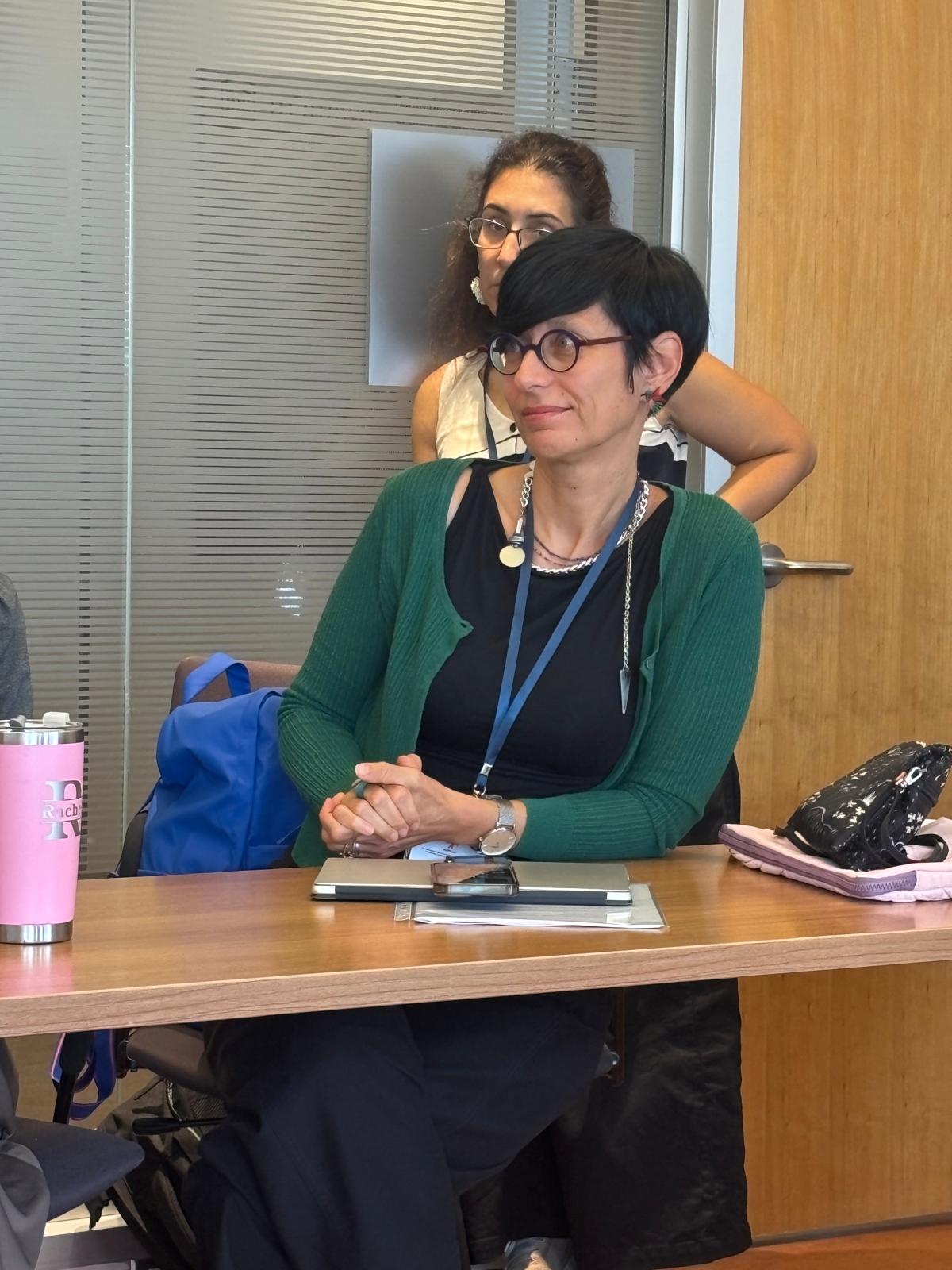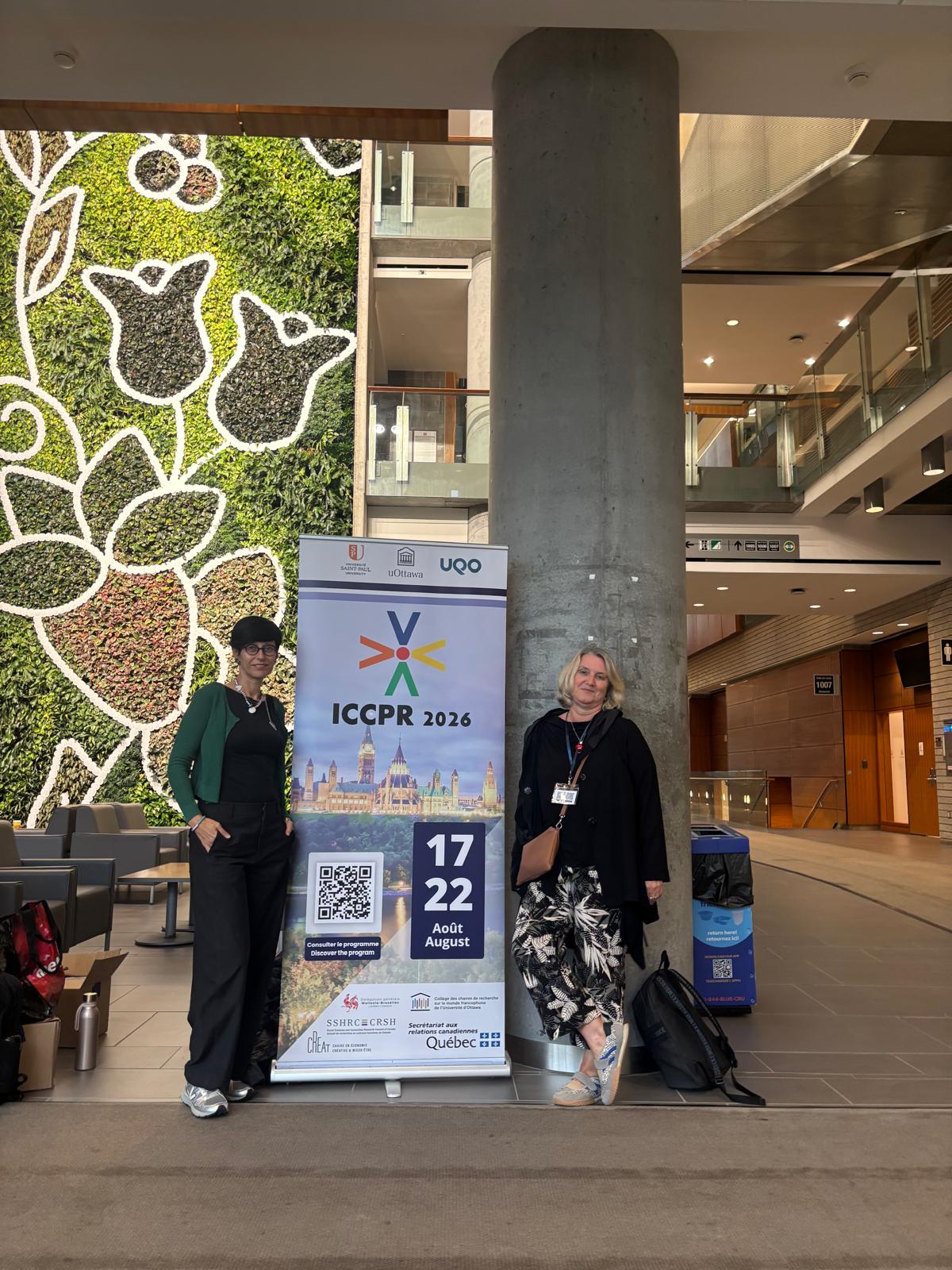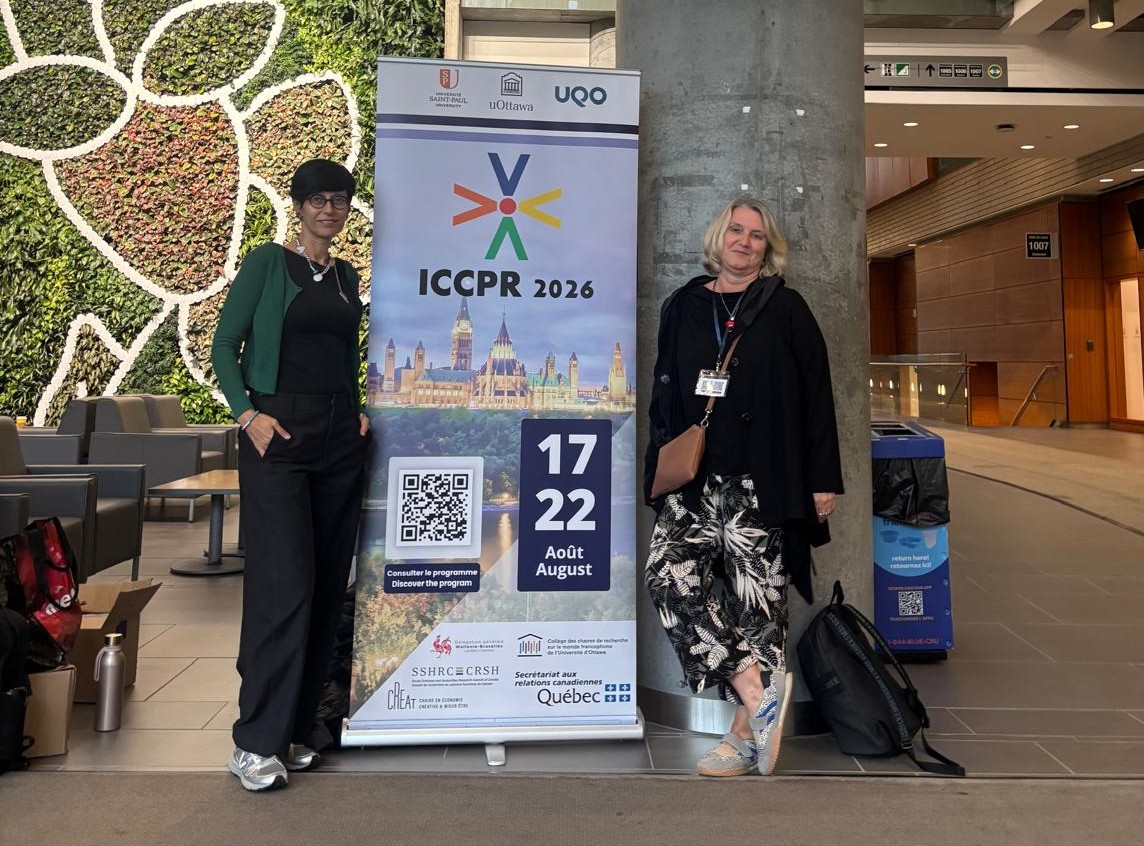
IRMO researchers and CULTMED project collaborators Dr Dea Vidović and Dr Aleksandra Uzelac participated in the international scientific conference ICCPR 2026, held in Ottawa, Canada, from August 17 to 22, 2026.
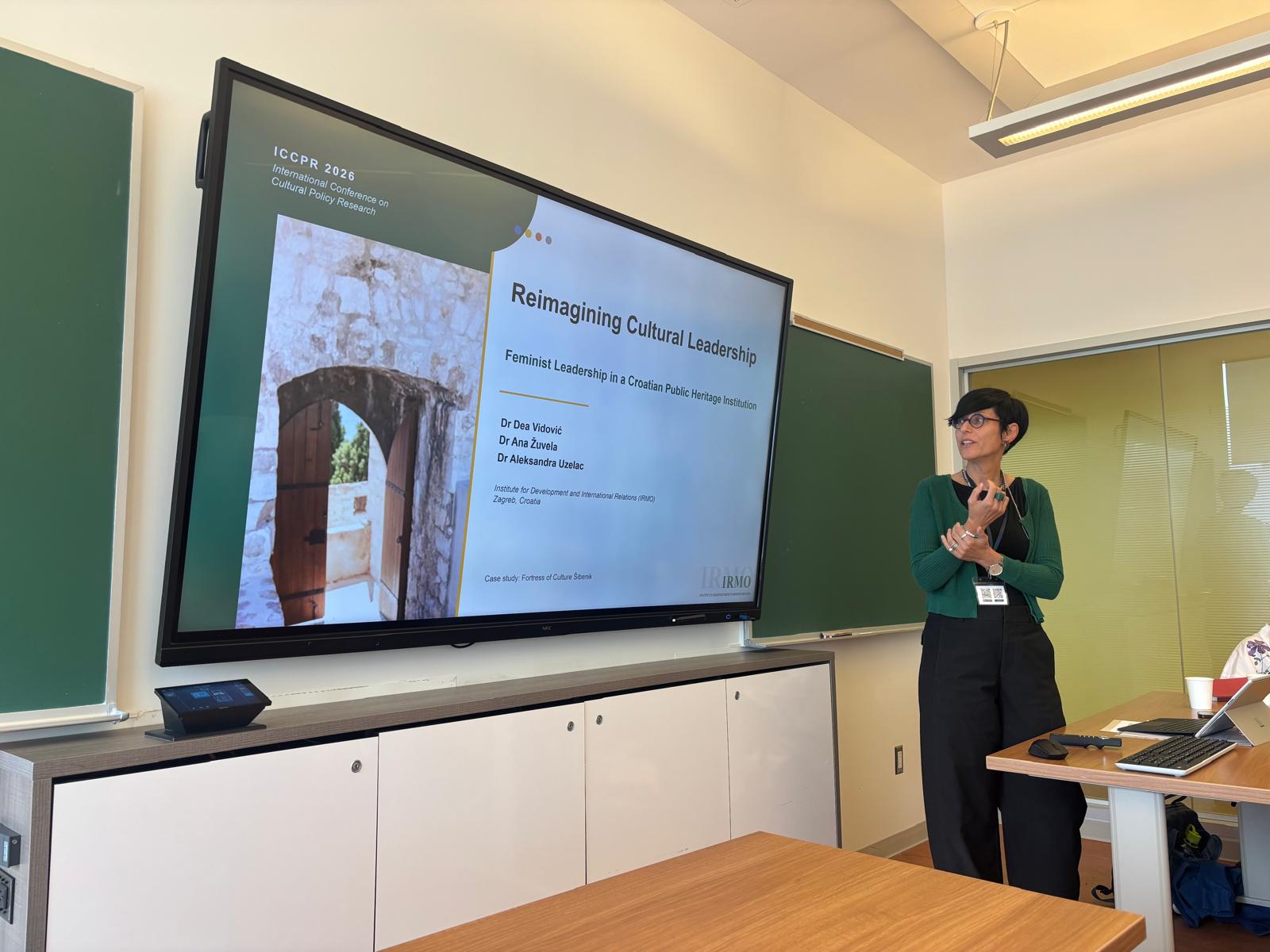
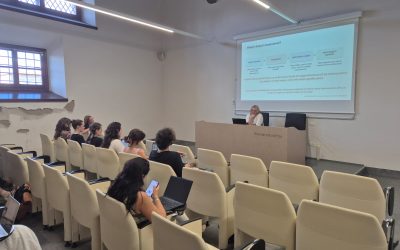
At the conference, they presented the co-authored research paper by Dr Dea Vidović, Dr Ana Žuvela and Dr Aleksandra Uzelac, “Reimagining Cultural Leadership: Feminist Leadership in a Croatian Public Heritage Institution.” The paper explores feminist leadership as an interpretive framework for understanding organisational practices and power relations in public cultural institutions. The analysis examines the extent to which practices grounded in trust, autonomy, collaboration, care and shared responsibility can be understood through the lens of feminist leadership, as well as the relationship between these everyday organisational practices and their explicit political articulation.
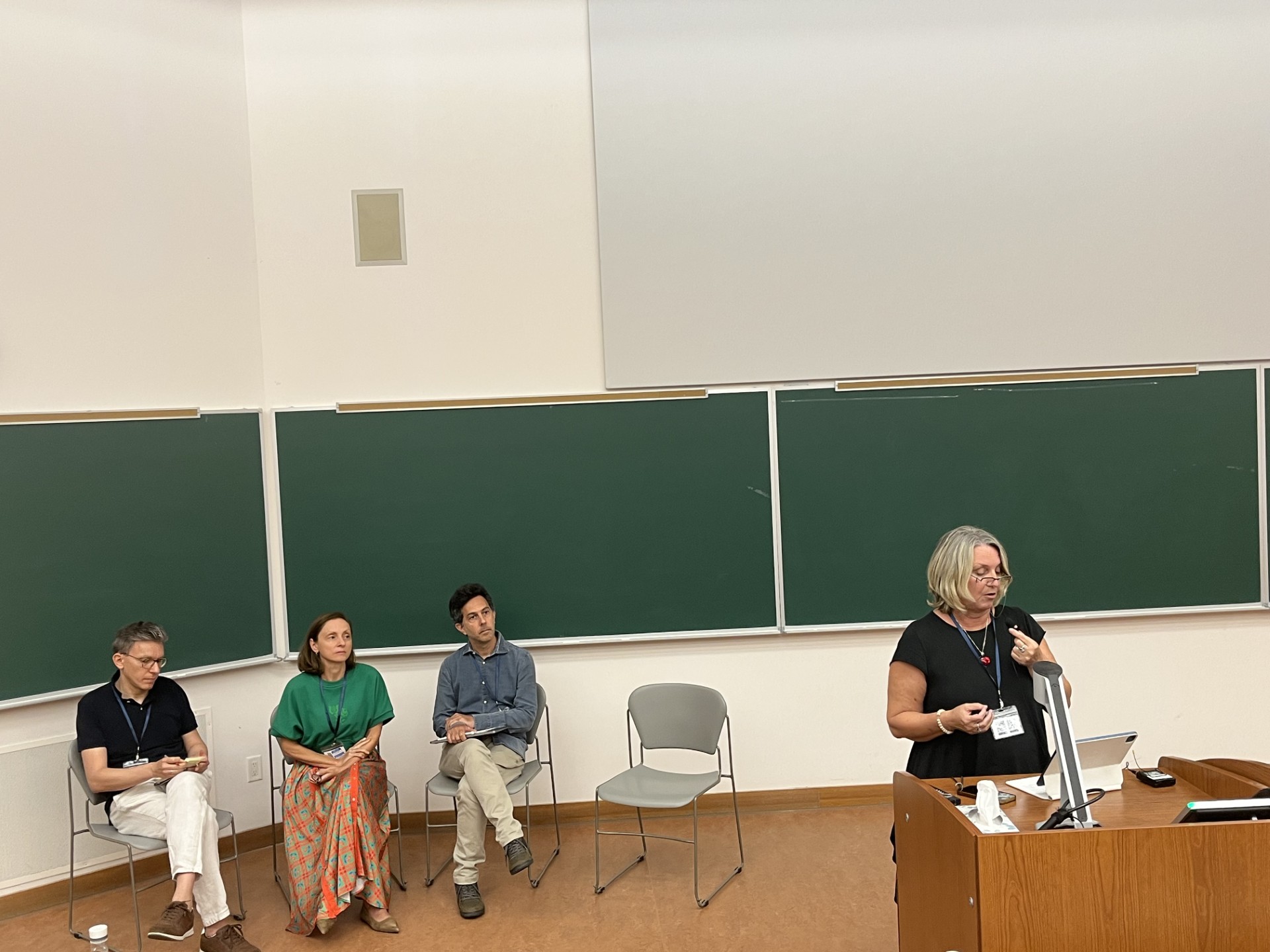
Aleksandra Uzelac chaired the panel “Comparative Cultural Policy Research and Teaching in a Multilingual World: Perspectives from ENCATC,” which focused on the challenges of comparative cultural policy research and teaching across multilingual and diverse social contexts. The panel featured Matina Magkou of Université Côte d’Azur, Herman Bashiron Mendolicchio of the University of Barcelona, and Marcin Poprawski of Humak University of Applied Sciences. The discussion addressed the translation and circulation of cultural policy concepts, epistemic inequalities between dominant and less-represented linguistic contexts, and methodological and pedagogical approaches to multilingual cultural policy research.
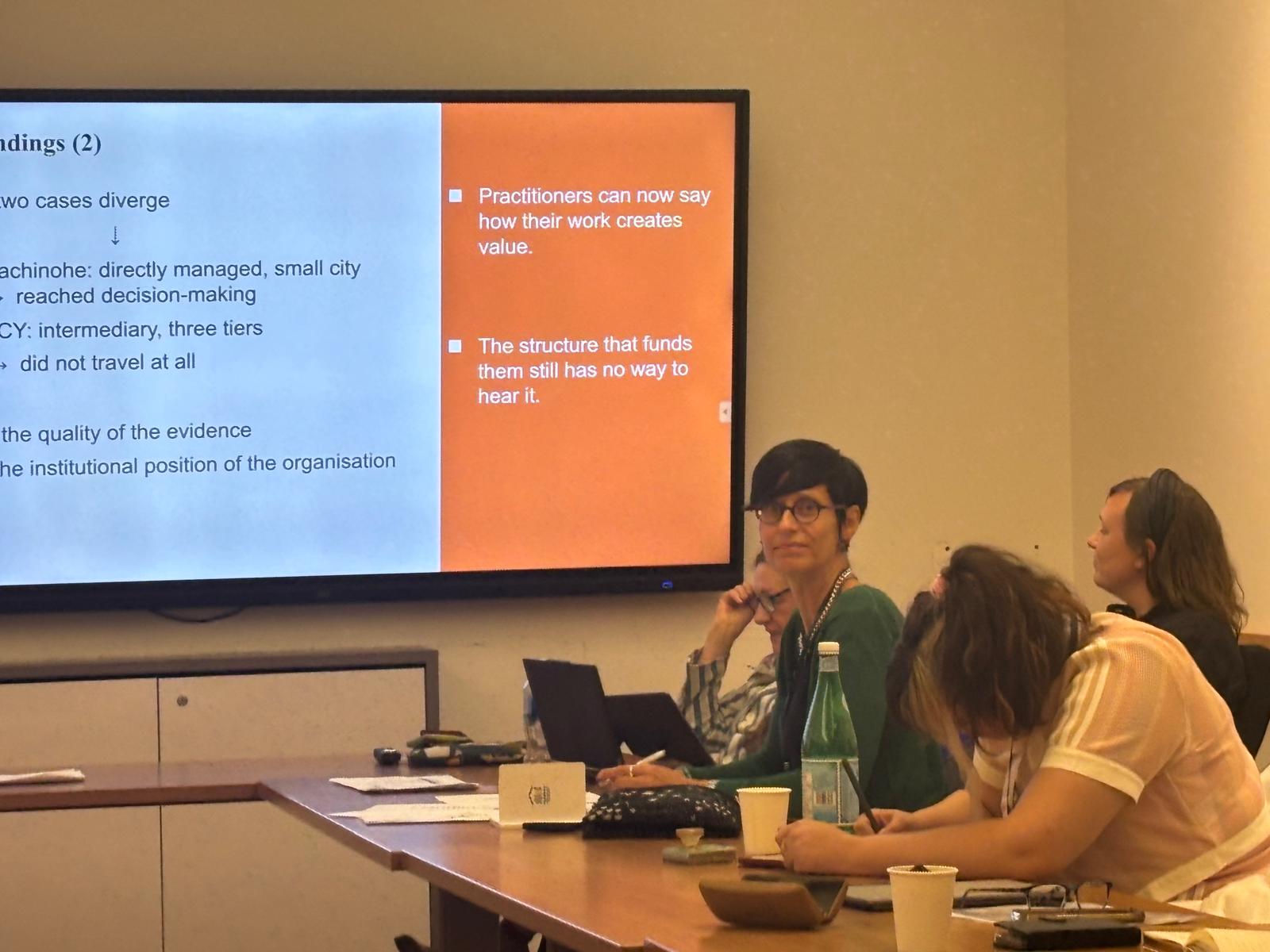
Dea Vidović chaired the panel session “Concepts, Evidence and Participation,” which focused on the relationships among theoretical concepts, research evidence, cultural policy and participation. The panel featured research presentations by Toine Minnaert of Utrecht University, Mia Nakamura of Kyushu University, Scott Brook of RMIT University and Tilde Jessen of the University of Copenhagen.
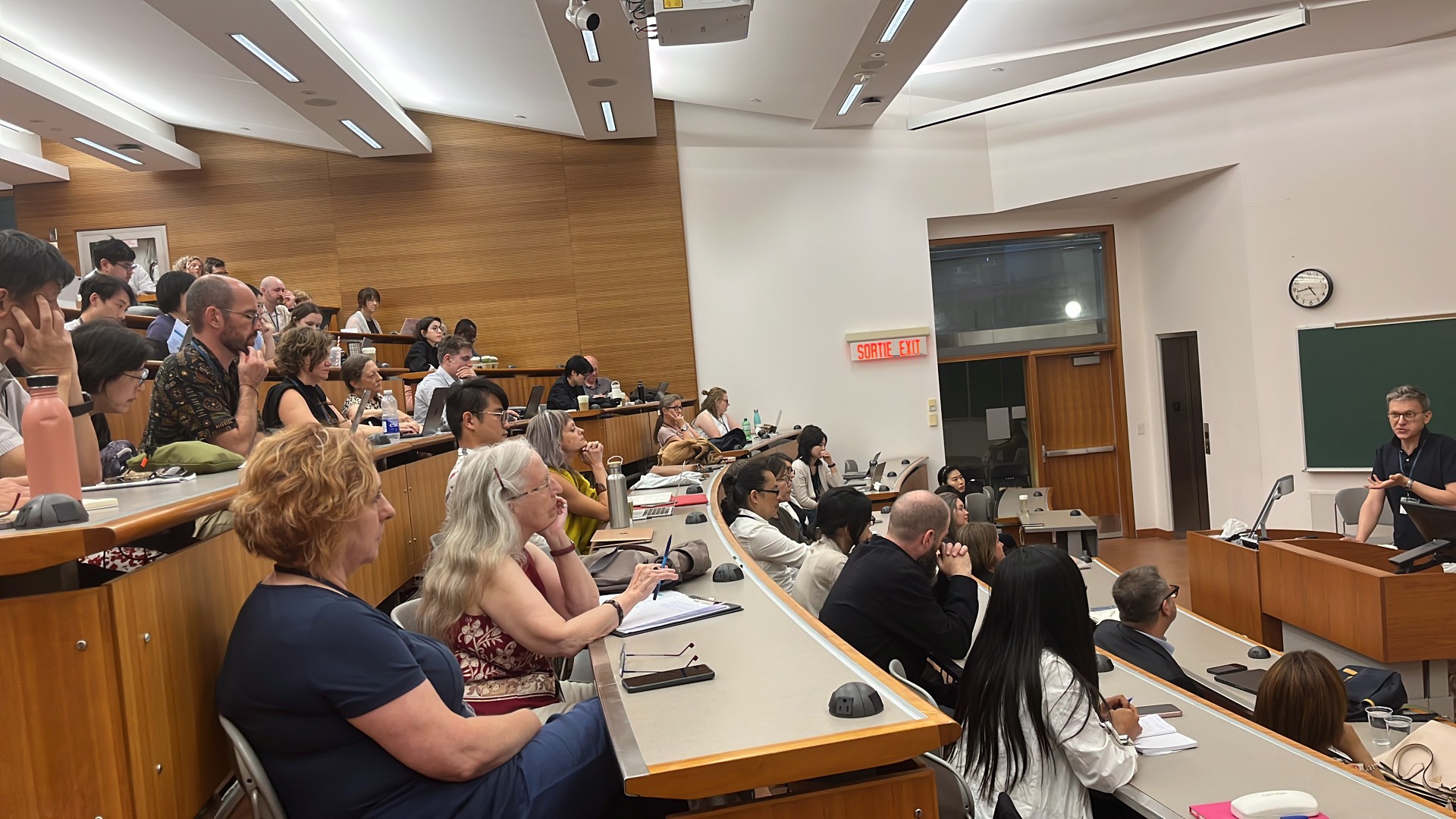
Participation in the ICCPR provided an opportunity to present IRMO’s current research in an international academic setting, gain insights into the latest research approaches and debates in cultural policy, and exchange knowledge and experiences with colleagues from different countries. The conference also offered opportunities to strengthen existing and establish new international contacts and collaborations, and to further connect IRMO with the international cultural policy research community.