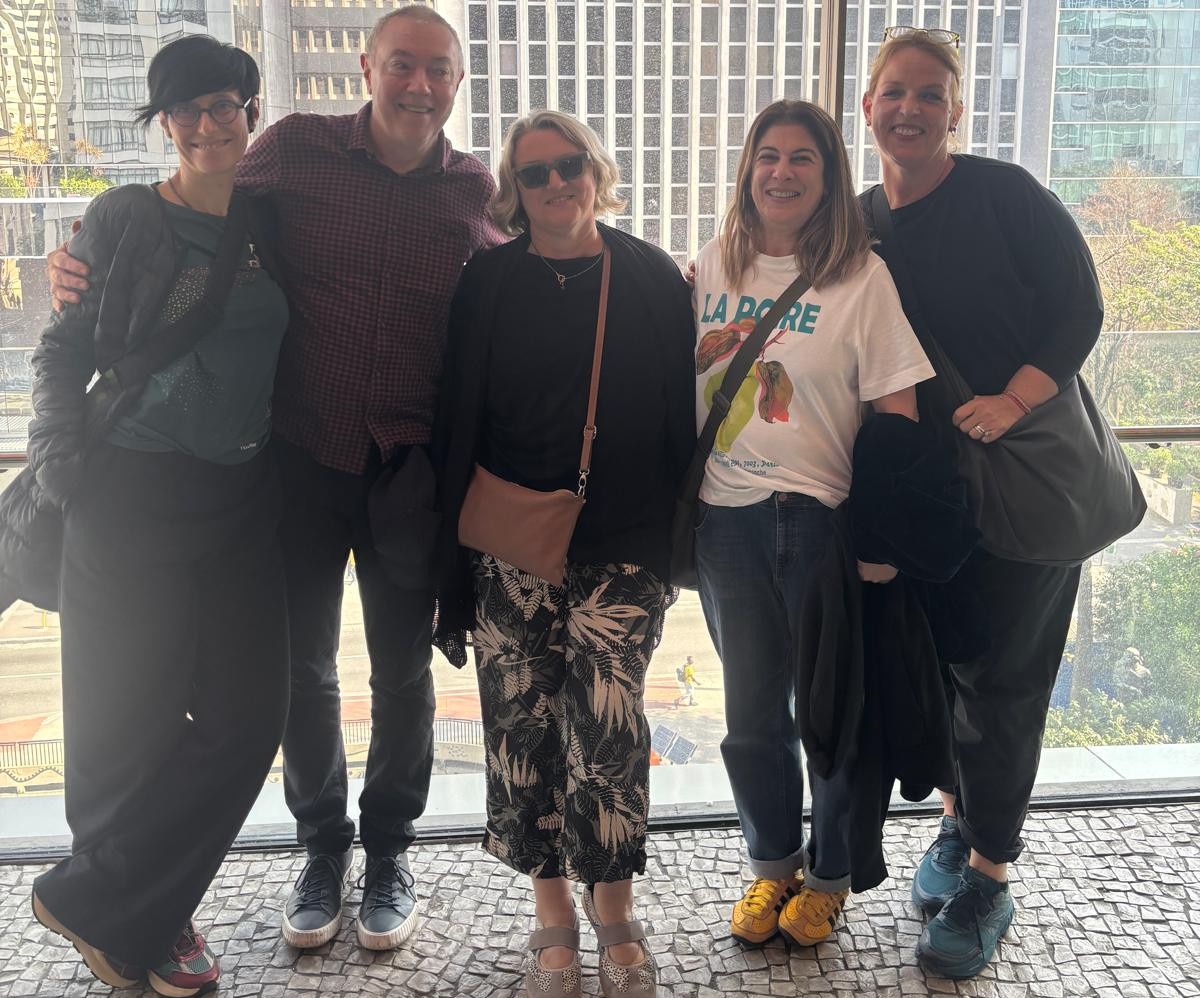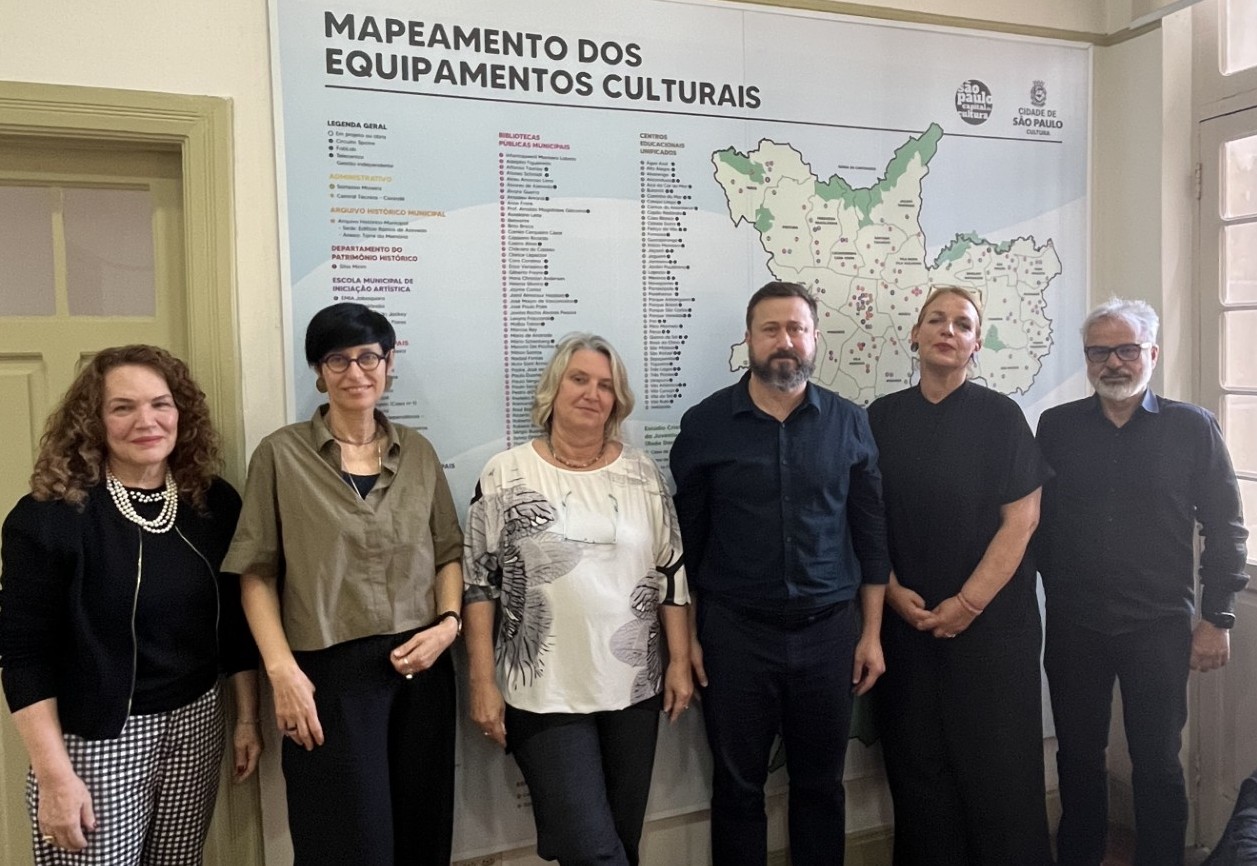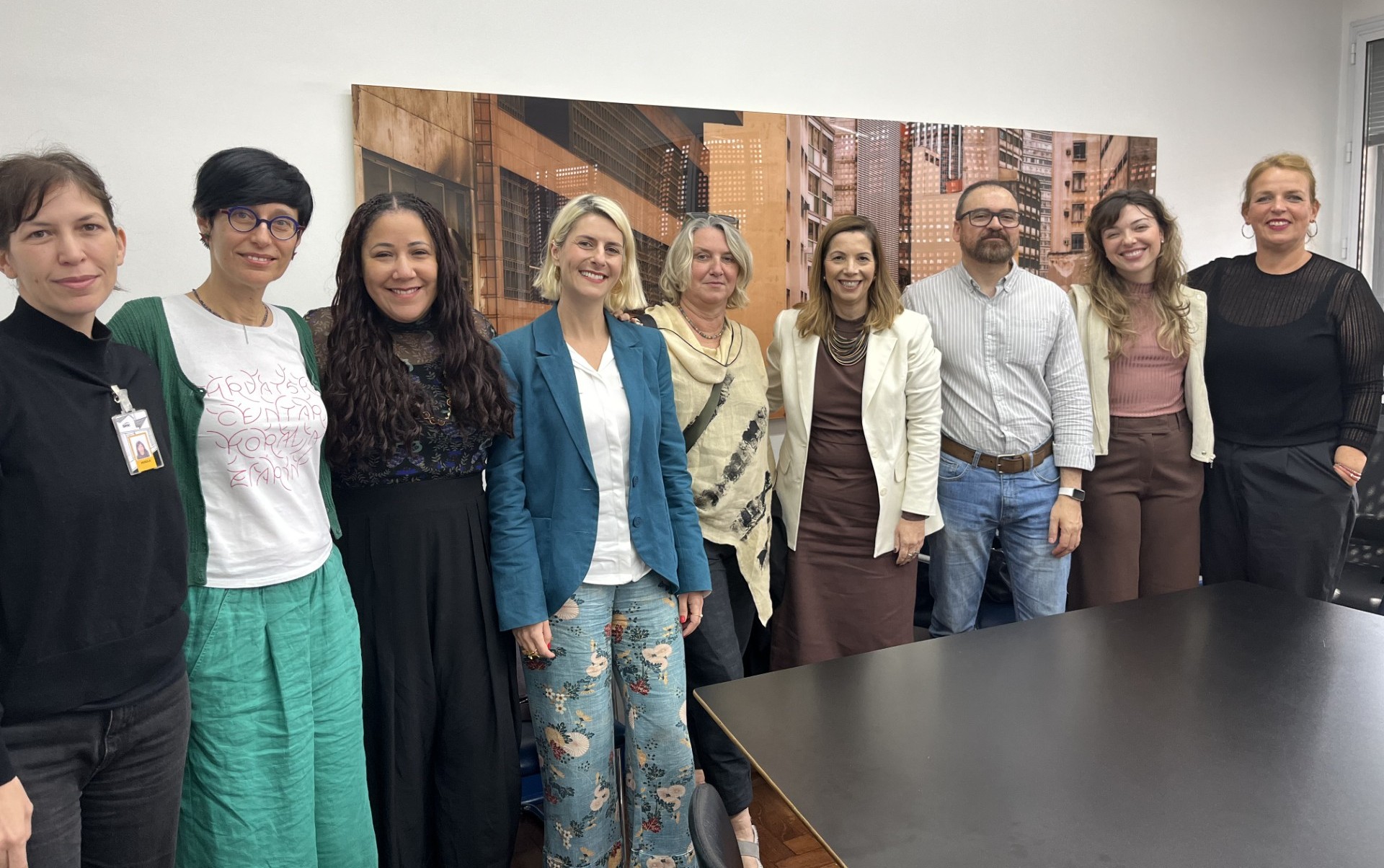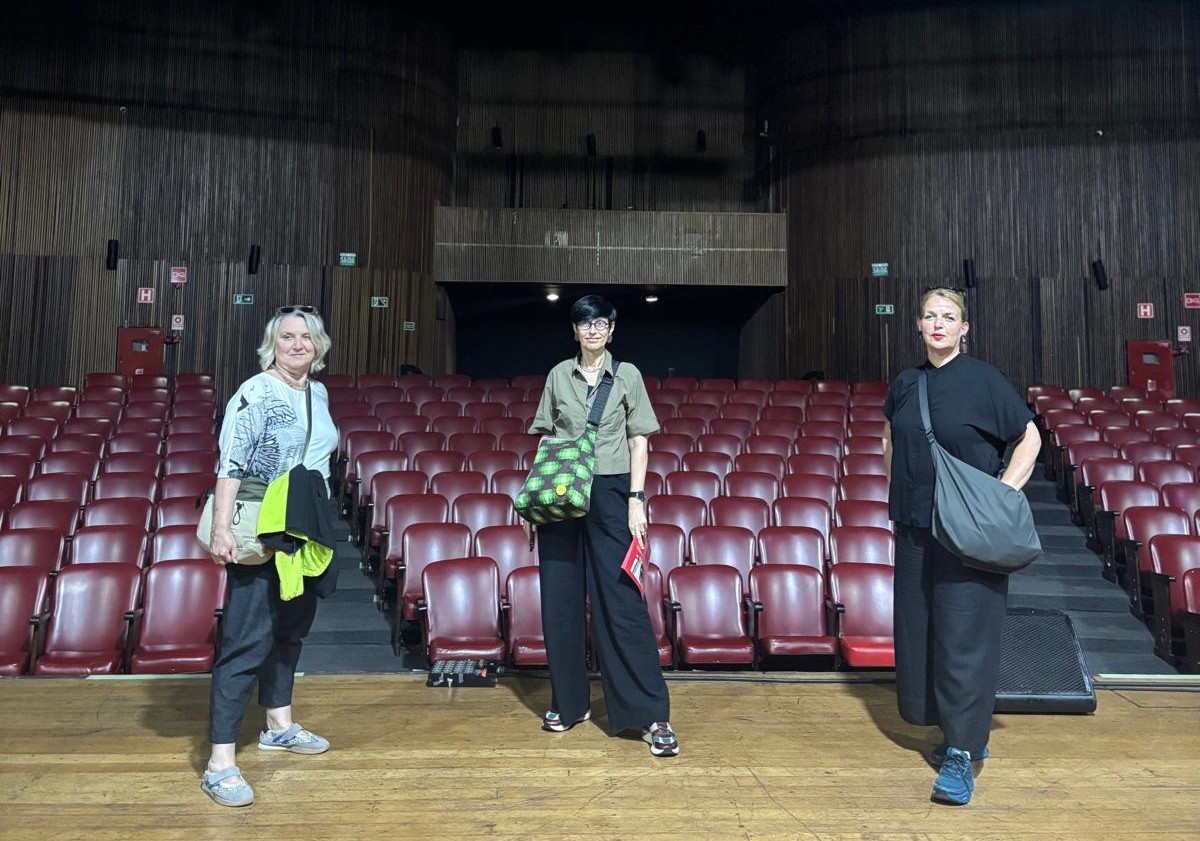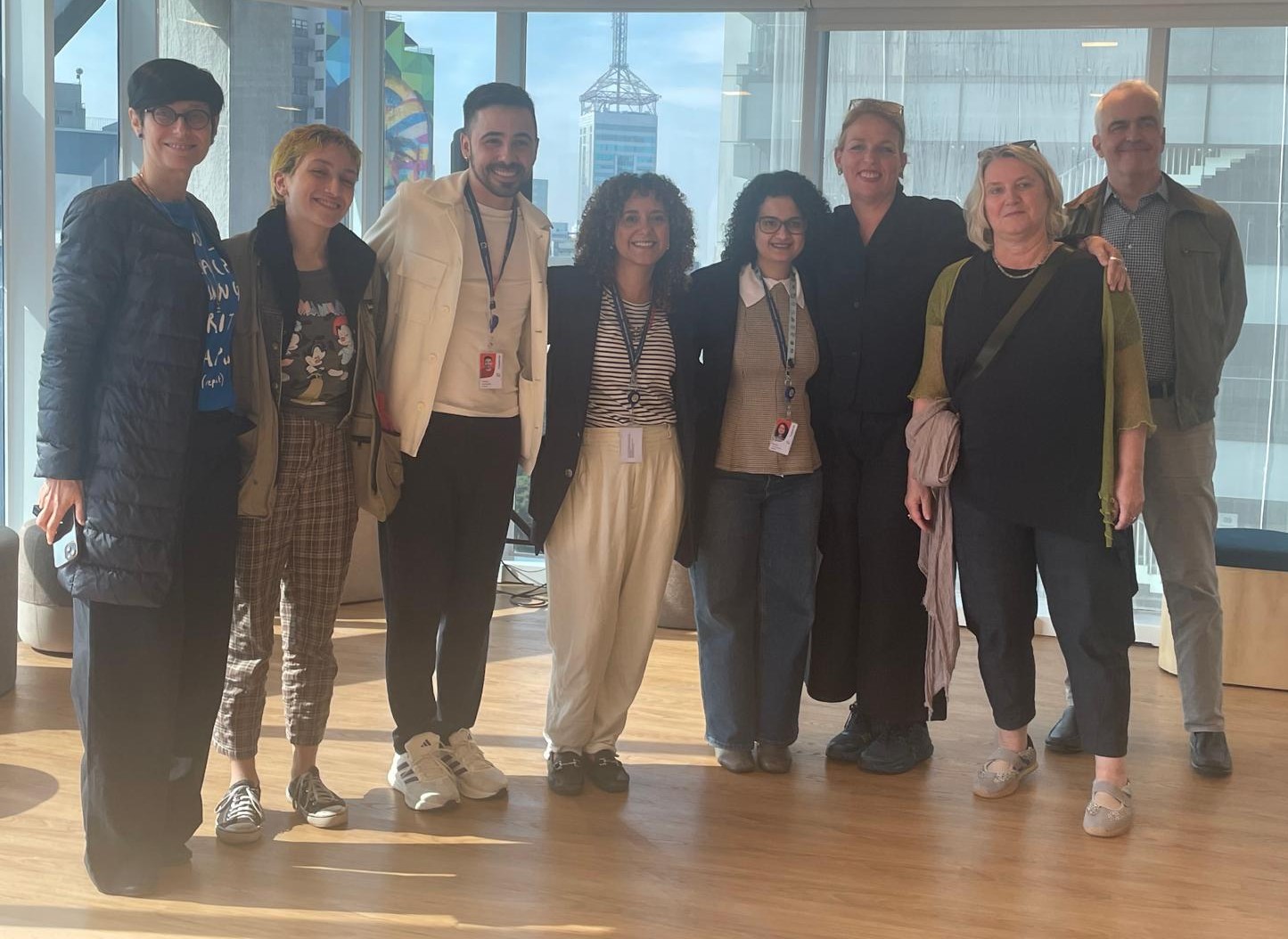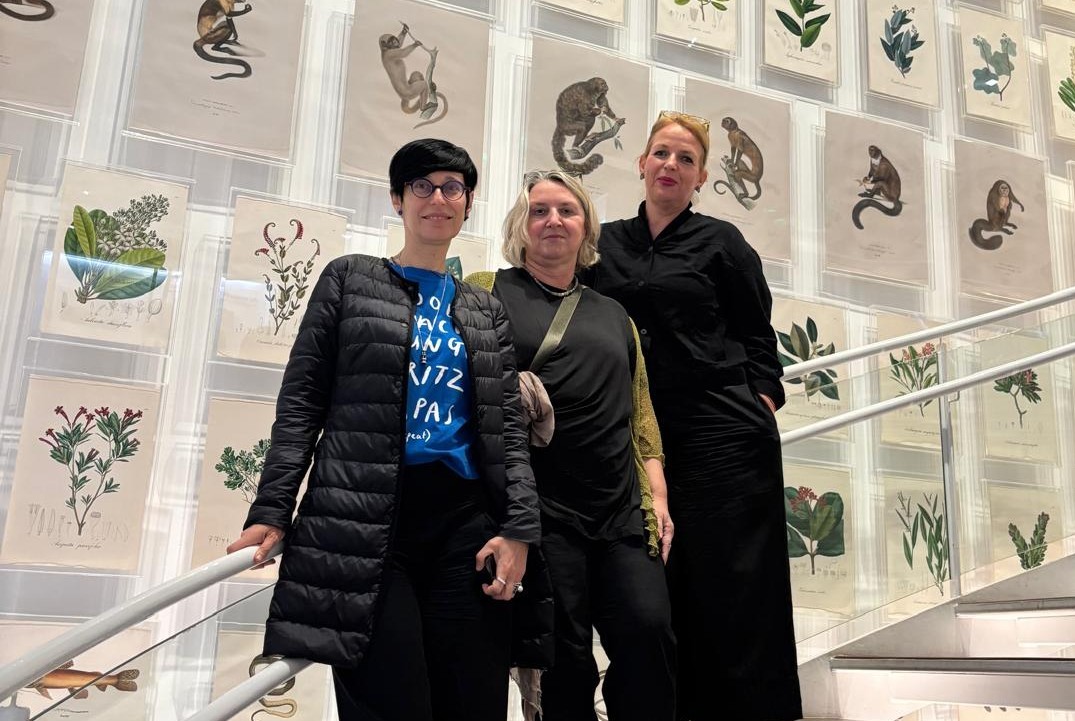
Researchers and members of the CULTMED project, Dr Aleksandra Uzelac, Dr Dea Vidović, and Dr Ana Žuvela, were on a study visit to São Paulo, Brazil, from 4 to 9 July 2026, during which they held a series of meetings with representatives of leading Brazilian cultural institutions.
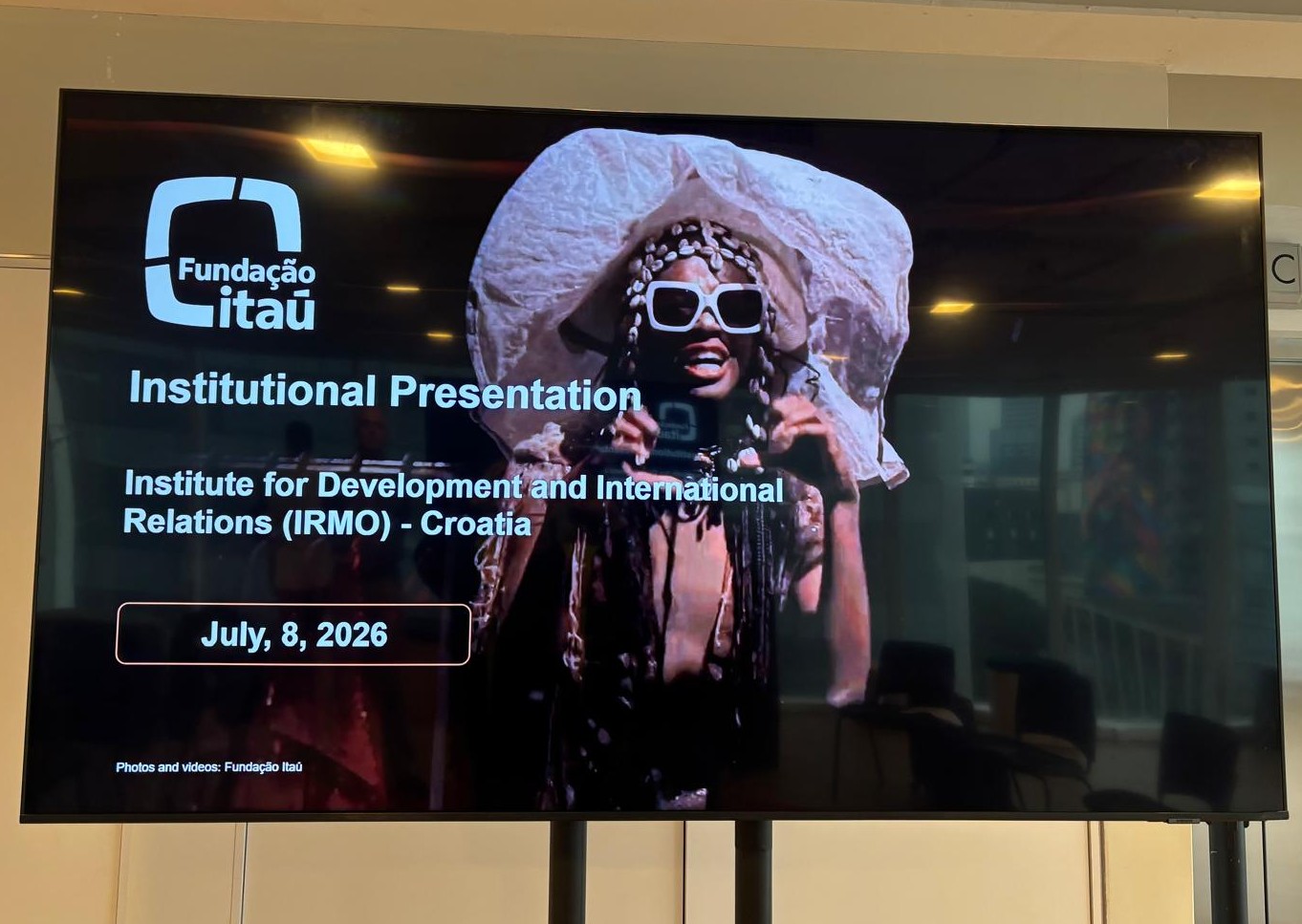
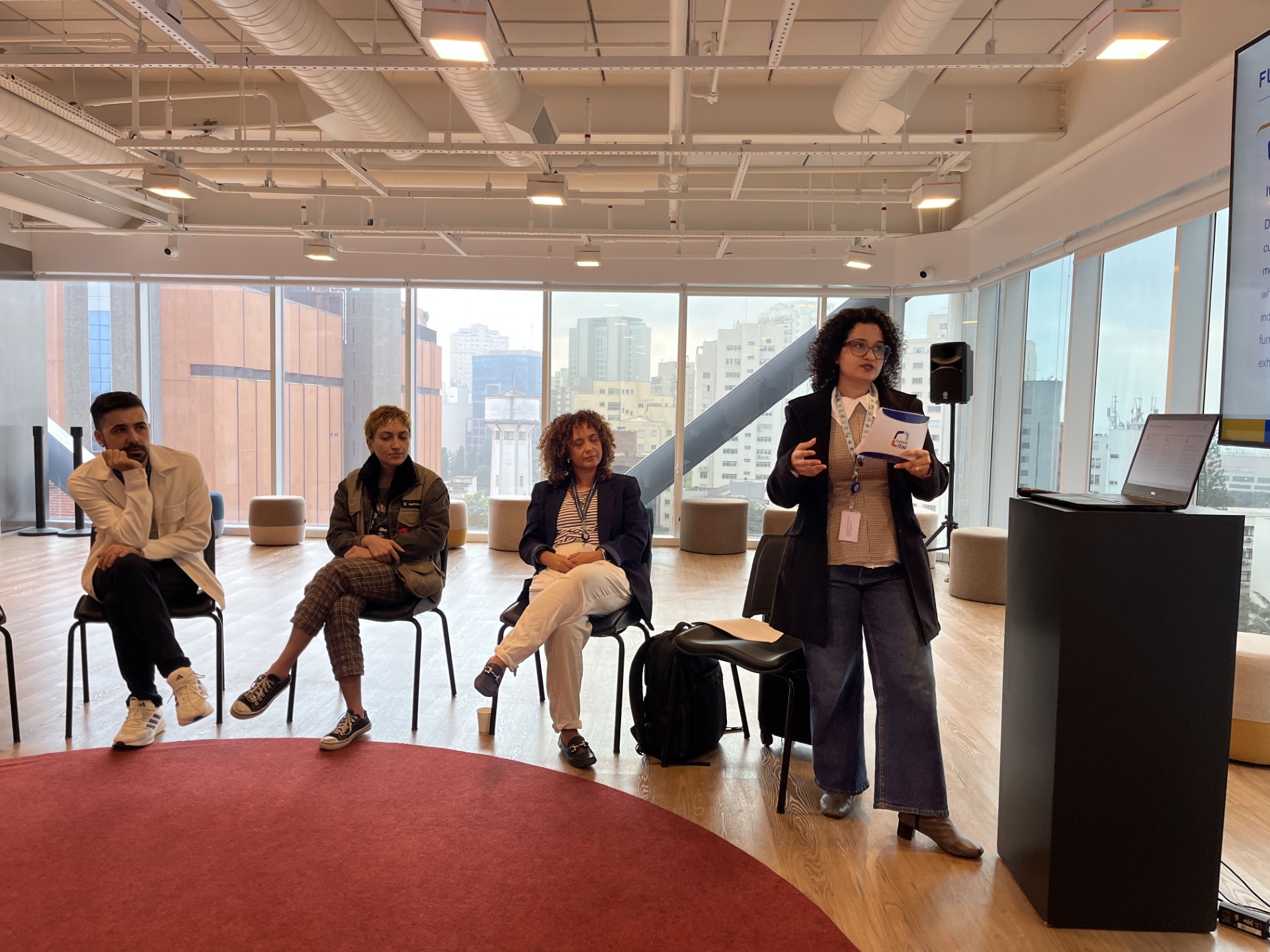
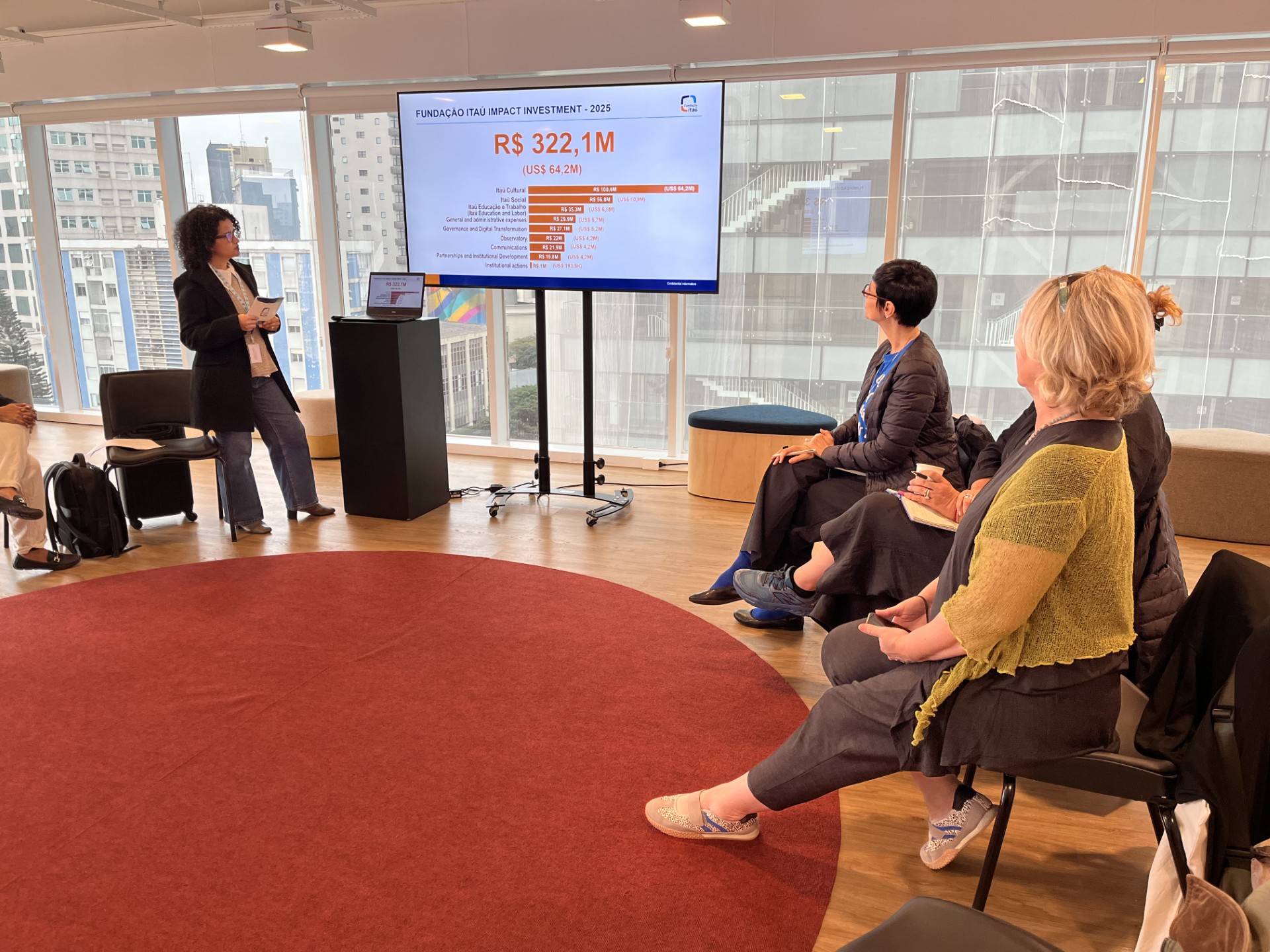
The programme included a meeting with the Deputy Municipal Secretary for Culture and Creative Economy of the City of São Paulo, Rodrigo Massi, as well as with other representatives of the São Paulo Municipal Secretariat of Culture and Creative Economy. The programme also included a meeting with members of the Fundação Itaú / Itaú Cultural team, one of Brazil’s leading institutional models integrating corporate philanthropy, culture, and education. An important part of the programme was a visit to SESC Pompeia, a cultural and social centre, where the researchers met with the centre’s professional team. SESC Pompeia is part of the SESC São Paulo network, one of Brazil’s most significant models of privately funded cultural and social infrastructure. During their stay, the researchers also held a working meeting with Brazilian sociologist, cultural policy expert, and recipient of the 2024 ENCATC Research Award, Dr João Leiva, followed by a visit to the Instituto Moreira Salles (IMS).
The study visit focused on exploring different models of cultural governance, cultural funding, the development of cultural infrastructure, participatory approaches to culture, and the relationships between the public, private, and civil sectors in the field of cultural policy. Particular attention was given to examples of transforming industrial heritage into cultural spaces, the democratisation of access to culture, international cultural cooperation, and innovative approaches linking culture, education, and social development.
The knowledge gained and the professional contacts established during the visit provide a valuable foundation for strengthening the Institute’s international cooperation and for future comparative research on cultural policy, cultural infrastructure, and cultural governance.